
A new Congressional Research Service (CRS) report has provided one of the clearest assessments yet of U.S. aircraft losses during military operations against Iran. According to the October 5 report, 81 U.S. fixed-wing and rotary-wing aircraft, including drones, were reported lost or damaged since the start of Operation Epic Fury on February 28, 2026.
The figure includes both aircraft destroyed and those that suffered damage. Importantly, the CRS cautions that the total could change because some information remains classified, combat operations have continued, and some damaged aircraft may already have returned to service.
How much have the aircraft losses cost the US?
The aircraft losses are part of a much wider financial burden from the Iran conflict. The Congressional Budget Office estimated that equipment losses through August 1 represented approximately $1.9 billion under one replacement scenario. However, if the Pentagon had to replace the lost equipment with aircraft and systems currently available, the estimated replacement cost could reach $3.3 billion.
That distinction is important because several of the aircraft involved are no longer being manufactured. Replacing an older aircraft with a newer platform can therefore make the final bill substantially higher.
The War Zone reported that the estimated $3.3 billion figure could eventually rise above $4 billion when later losses and repair costs are considered, although that is an estimate rather than a final government figure.
MQ-9 Reaper drones suffered the biggest losses
The MQ-9 Reaper has emerged as the aircraft suffering the largest number of losses.
The Pentagon’s Lead Inspector General previously reported that as many as 30 MQ-9A Reapers had been destroyed through June. Later open-source tracking cited by The War Zone put the number as high as 47 Reapers by September. The two figures are not directly comparable because they use different reporting periods and methodologies.
The Reaper is widely used by the U.S. military for surveillance, reconnaissance and armed missions. The losses have raised questions about how quickly the United States can rebuild its unmanned aircraft fleet.
The War Zone reported that the Air Force’s Reaper inventory had fallen from 165 aircraft at the beginning of fiscal year 2026 to 135 by May.
F-15E Strike Eagles and KC-135 tankers also hit
The U.S. aircraft losses were not limited to drones.
Several F-15E Strike Eagles were destroyed during the conflict, including three in a friendly-fire incident over Kuwait and another aircraft shot down over Iran during a search-and-rescue operation on April 3. Additional F-15Es were later reported damaged at Muwaffaq Salti Air Base in Jordan.
The KC-135 Stratotanker fleet also suffered significant losses. Two KC-135s were destroyed and several others were damaged. One March 12 incident involving two Stratotankers resulted in the death of six aircrew members. CENTCOM said that particular incident was not caused by hostile or friendly fire.
High-value aircraft among the losses
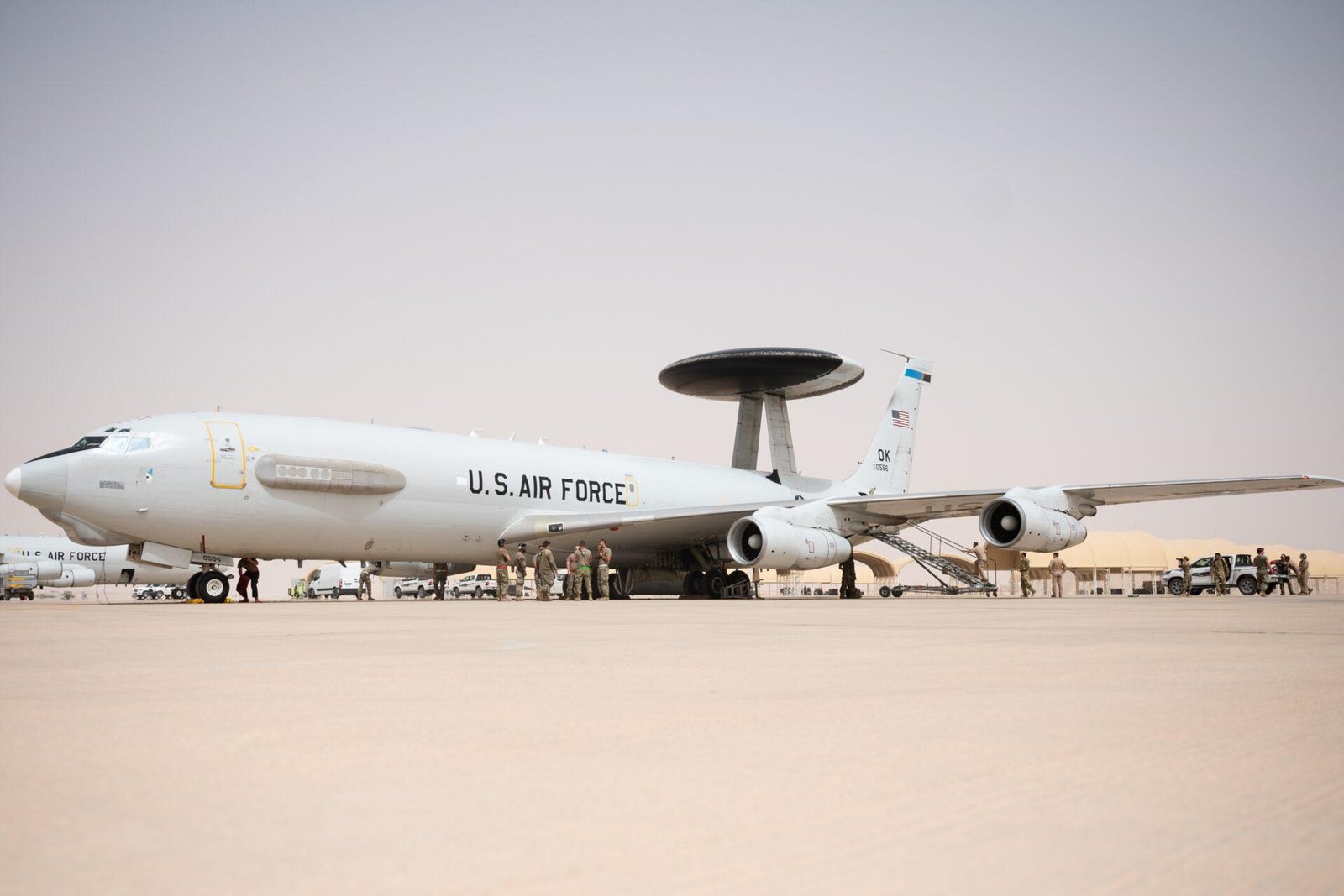
One of the most expensive losses was an E-3G Sentry airborne early-warning aircraft damaged at Prince Sultan Air Base in Saudi Arabia. The aircraft was subsequently treated by the CBO as a combat loss, with a replacement value estimated at around $500 million.
The E-3 Sentry provides airborne surveillance and command-and-control capabilities, making its loss more significant than simply the cost of the aircraft itself.
Other aircraft involved in the wider tally include F-35A Lightning II, A-10C Warthog, MC-130J Commando II, HH-60W Jolly Green II, CH-47F Chinook and other helicopters. The April search-and-rescue mission following the F-15E loss also resulted in several aircraft being destroyed or damaged.

Why the 81-aircraft figure matters
The latest CRS report represents a major increase from an earlier congressional assessment. A May version of the report listed 42 aircraft lost or damaged. The updated October report now lists 81. Officials stress that the difference does not necessarily mean 39 additional aircraft were lost after May; the newer assessment also incorporates additional information and revised reporting.
The losses also raise broader questions about U.S. military readiness. The Congressional Budget Office has warned about the impact of replacing aircraft and replenishing weapons inventories after months of intensive operations.
For American military planners, the issue is therefore bigger than the price of individual aircraft. Replacing specialized platforms, repairing damaged aircraft and rebuilding missile inventories could take years.
The latest figures provide a rare look at the cost of the Iran war for the U.S. military, while also showing how drones, fighter jets, tankers and helicopters have all faced significant risks during the conflict.