
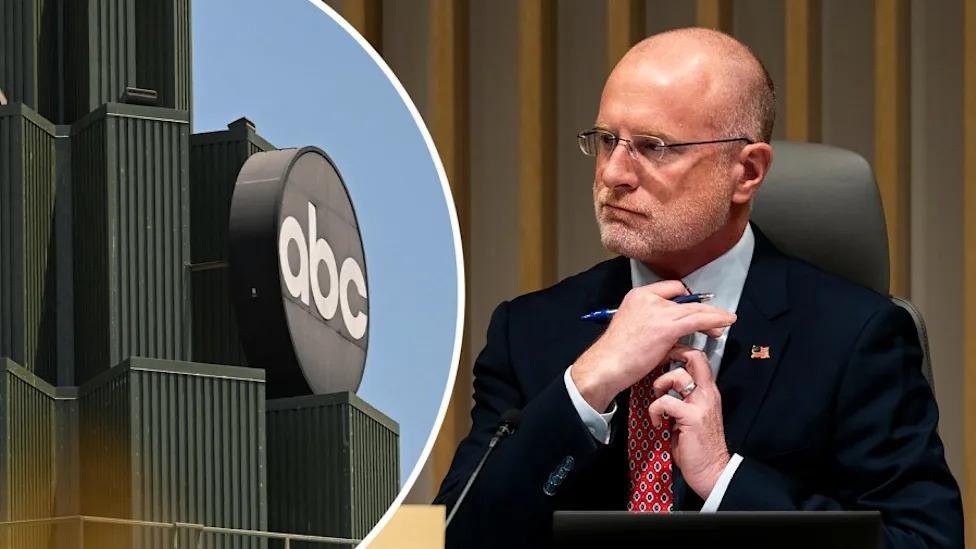
WASHINGTON — ABC and its parent company, Disney, are asking a federal judge to stop the Federal Communications Commission from moving forward with an unusually early review of eight ABC-owned television station licenses. The network says the action is part of a broader campaign of retaliation by the Trump administration over ABC’s programming and editorial decisions.
The dispute moved into federal court on October 6, 2026, during a roughly two-hour hearing in Washington, D.C. ABC’s attorney, Beth Wilkinson, argued that the FCC’s action is creating a chilling effect on the network’s First Amendment rights, particularly as the United States approaches the 2026 midterm elections.
Why ABC is challenging the FCC
The case centers on an FCC order issued in April requiring eight ABC-owned stations to begin the license renewal process years earlier than originally scheduled. The licenses were expected to come up for renewal between 2028 and 2031.
ABC and Disney argue that the accelerated FCC broadcast license review is not simply a regulatory matter. They contend that the move is connected to political pressure over ABC’s programming and coverage of President Donald Trump. Disney filed its federal lawsuit in August, describing the FCC’s actions as a violation of the First Amendment.
The network has pointed to several public comments by Trump and FCC Chairman Brendan Carr. ABC’s lawyers argue that those statements, combined with the timing of the license review, show that the regulatory process is being used to pressure the broadcaster over its editorial decisions.
ABC says the review is affecting editorial decisions
During Tuesday’s hearing, Wilkinson argued that the uncertainty surrounding the licenses is already influencing how ABC approaches political coverage.
She told the court that ABC is watching its editorial decisions because of concerns that future programming could trigger additional scrutiny from the FCC. The argument makes the case bigger than the licenses themselves, because ABC says government pressure could affect the way broadcasters cover political issues.
ABC has also pointed to changes involving programs such as “The View” and comments involving late-night host Jimmy Kimmel as examples of the wider conflict between the network and the administration.
The dispute has become an important test of First Amendment free speech rights for broadcasters and the limits of federal regulatory power.
FCC rejects ABC’s retaliation argument
The Federal Communications Commission and the Justice Department strongly dispute ABC’s interpretation.
Government lawyers told the judge that the early license review was connected to an FCC investigation into Disney and ABC’s compliance with federal rules, including questions related to discrimination and the company’s response to requests for information.
The government also argues that ABC’s lawsuit was filed in the wrong court and that the network has not demonstrated the type of immediate harm required for a preliminary injunction. According to the Justice Department, ABC’s broadcast licenses remain valid, meaning the FCC has not yet made a final decision to revoke or deny them.
The FCC has previously said that its action is part of its regulatory responsibilities and is not connected to specific ABC programs or criticism of Trump.

Judge has not ruled yet
U.S. District Judge Loren AliKhan did not issue an immediate decision after Tuesday’s hearing. Instead, she asked the government and ABC to provide additional written arguments.
The Justice Department was asked to submit additional arguments by October 9, while ABC has until October 14. A decision is therefore not expected immediately and could come after the middle of October.
The judge’s eventual decision could have consequences beyond ABC and Disney. The case raises questions about how much authority the FCC has over broadcast licenses and whether that authority can be used when a broadcaster’s editorial choices conflict with the views of government officials.
For ABC, the immediate goal is to prevent the FCC from continuing the accelerated license review while the constitutional challenge moves forward. For the government, the central argument is that the FCC should be allowed to complete its regulatory process before the courts intervene.
The legal battle is now being closely watched as the ABC FCC lawsuit develops, particularly because it involves press freedom, political speech and the relationship between the Trump administration and major U.S. media organizations. usmedianewz