
Sir Alex Ferguson has spoken openly about his experience with a brain haemorrhage and the football matches that played an important role throughout his remarkable career. The former Manchester United manager is approaching his 85th birthday and is looking back on some of the most important moments of his life through his upcoming memoir, Games of My Life.
Ferguson suffered a brain haemorrhage in May 2018 and required emergency surgery. In a new BBC Breakfast interview, he recalled how frightening the experience was, particularly when he temporarily lost his ability to speak after the operation. He said he feared that his memory might also be affected.
Sir Alex Ferguson recalls his brain haemorrhage
The health scare became one of the most difficult periods of Ferguson’s life. After surgery, he worked with a speech therapist who helped him regain his voice. During his recovery, he was asked to write down names of family members, football players, animals and other familiar subjects as part of his rehabilitation.
Ferguson has previously explained that losing his memory was one of his biggest fears. For someone whose career depended heavily on remembering players, matches, tactics and countless footballing details, the possibility was particularly concerning.
His recovery eventually allowed him to return to Old Trafford. Four months after the haemorrhage, he attended Manchester United’s Premier League match against Wolves. Ferguson and his wife Cathy received a standing ovation from supporters when they entered the directors’ box.
From Glasgow football to Manchester United
Ferguson’s new memoir looks much further back than his Manchester United years. Games of My Life focuses on 21 matches that he considers particularly meaningful, covering moments from his childhood and playing career through his time as a manager. The book is scheduled for publication in October 2026.
One of the early stories involves Ferguson’s time at St Johnstone. As a young player, he was frustrated by limited first-team opportunities and was even considering moving to Canada. His situation changed dramatically when he was selected to play against Rangers at Ibrox after illness affected the St Johnstone squad.
Ferguson scored a hat-trick in that match at the age of 21. The performance helped revive his playing career and became one of the moments he later identified as an important turning point in his life.
The Manchester United years
Ferguson became Manchester United manager in 1986 and remained in charge until 2013. During those 26 years, he won 38 trophies, including 13 Premier League titles and two UEFA Champions League trophies.
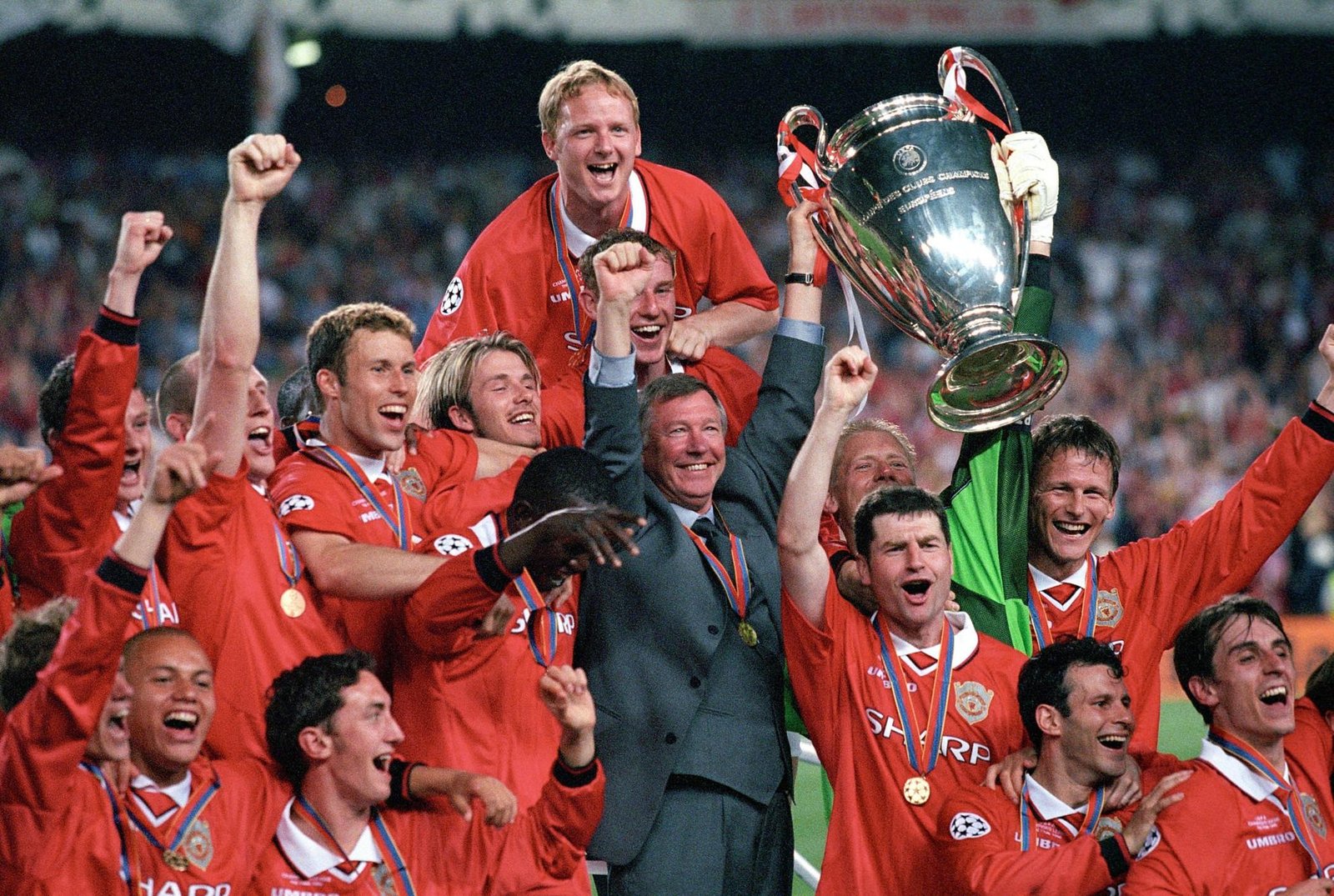
His career included some of the most memorable matches in English football. Among them was Manchester United’s dramatic 2-1 comeback against Bayern Munich in the 1999 Champions League final. United scored twice in stoppage time to complete the comeback, and Ferguson has described that night as his greatest moment as a manager.
The memoir also looks at Ferguson’s work with young players. His Manchester United teams included players such as Ryan Giggs, David Beckham, Paul Scholes and Gary Neville. Ferguson has discussed how giving young footballers opportunities became an important part of his management philosophy.
Why the new memoir matters
Rather than simply listing trophies and famous victories, Games of My Life uses individual matches to tell the story of Ferguson’s personal journey. The book covers his working-class childhood in Govan, his playing career, his success with Aberdeen and his long Manchester United tenure.
According to publisher Pan Macmillan, Ferguson selected 21 matches that take him back to different stages of his life. The book also includes photographs and memorabilia from his private archive.
A National Football Museum exhibition is also scheduled to open in October 2026, featuring previously unseen handwritten notes from Ferguson’s personal collection. The exhibition will focus on the same 21 defining games featured in the memoir.
A career remembered through football
For Ferguson, these matches are more than results on a scoreboard. They represent different stages of his development as a player, manager and person. His experience with the brain haemorrhage also adds another dimension to the stories, as he has spoken about how important memory and family became during his recovery.
Now, as he looks back on seven decades of football, Ferguson is using the games he remembers most clearly to explain the people, challenges and decisions that shaped his journey.
His story continues to connect football history with personal memories — from a young player trying to find his opportunity in Scotland to a Manchester United manager who eventually became one of the defining figures of the modern game.