
Pete Hegseth Creates Pentagon Office of Religious Affairs as Debate Over Military Religious Freedom Grows
Washington, D.C. — U.S. Defense Secretary Pete Hegseth has announced the creation of a new Office of Religious Affairs (ORA) at the Pentagon, placing the office under his direct authority and putting religion and military policy back at the center of a growing national debate over religious freedom in the U.S. armed forces.
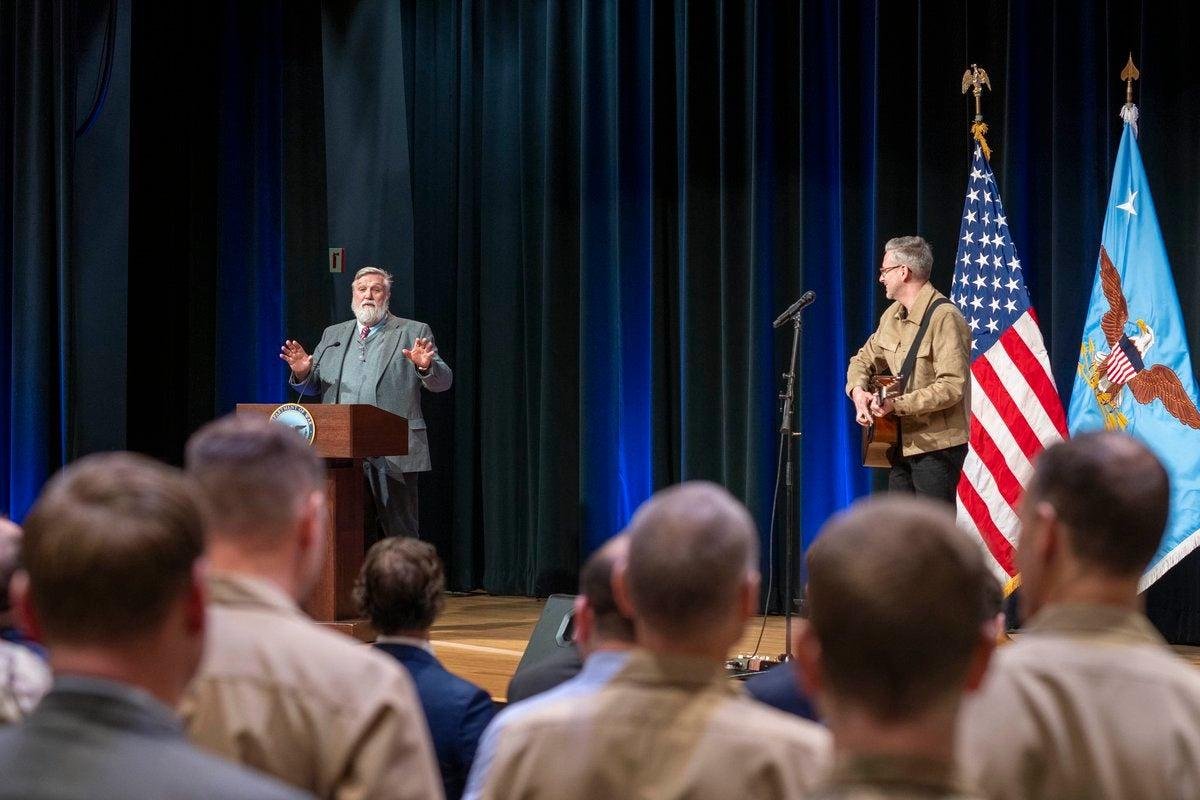
Hegseth announced the initiative on September 30 during a “State of the Force” address at Marine Corps Base Quantico in Virginia. According to the Defense Department, the new office is intended to strengthen religious support across the military and give military chaplains a direct advocate at the department’s highest levels.
What will the Pentagon’s new religious affairs office do?
The Office of Religious Affairs will report directly to the defense secretary. A Pentagon memorandum says the office will help coordinate religious-affairs policy, resources and programs throughout the Defense Department.
Among its responsibilities will be supporting chaplain programs, helping secure funding and infrastructure, representing the secretary on religious-affairs matters and overseeing research related to spiritual fitness, readiness and resilience. The office is also expected to work with the Armed Forces Chaplains Board.
The Pentagon says the military’s existing chaplaincies will remain the primary providers of religious support for service members. The department also says the new office will not compel religious participation, favor one religion or reduce the rights of personnel who follow another faith or have no religious affiliation.
Hegseth links faith with military readiness
During his Quantico speech, Hegseth presented religious faith as an important part of military life and described spiritual strength as connected to the resilience of service members.
He also used Christian language during the speech, saying the military was “putting on the full armor of God” and describing a spiritual dimension to warfare. His remarks reflect the larger emphasis on faith that has become part of his approach to the Pentagon.

The announcement came alongside several other major military initiatives, including a proposed Autonomous Warfare Command focused on robotic and autonomous systems, a new military-base proposal and plans affecting the senior officer corps.
Why is the announcement controversial?
The controversy centers largely on the role of religion inside a federal military institution.
The First Amendment states that Congress may not make laws respecting an establishment of religion or prohibiting the free exercise of religion. Congress.gov explains that the Establishment and Free Exercise Clauses are intended to protect religious freedom and address the relationship between government and religion.
Religious-freedom advocates have raised concerns about whether giving a religious-affairs office a direct line to the defense secretary could give Christianity greater influence over military policy.
Rachel Laser, president and CEO of Americans United for Separation of Church and State, criticized the announcement and argued that it could elevate Christianity within military policy. That is an advocacy group’s interpretation of the policy, rather than a court finding that the new office is unconstitutional.
At the same time, the Pentagon’s own policy language explicitly says the office is not intended to establish a preferred religion or compel personnel to participate in religious activities.
The issue goes beyond the new office
The announcement follows other changes to the military’s approach to religion under Hegseth.
The Associated Press reported that the Pentagon has reduced the number of officially recognized religious affiliations for military purposes and changed how chaplains are identified on their uniforms. The changes have generated criticism from groups concerned about how minority religions and nonreligious service members will be treated.
The new office is also expected to address faith-based programs for military families and initiatives connected with suicide reduction, according to the Pentagon’s plans reported by the Associated Press.
What happens next?
The Office of Religious Affairs is now moving from an announcement toward implementation. Military Times reported that the office is expected to develop an initial budget for fiscal year 2027 within 60 days, while Pentagon officials have been directed to work on incorporating the office into the department’s organizational structure within 90 days.
The central question going forward will be how the Pentagon balances its stated goal of expanding religious support with the constitutional protections surrounding religious freedom.
For service members, that balance matters because the U.S. military includes people from different religious traditions as well as people who do not identify with a religion. The Pentagon says the new office will protect voluntary religious participation and access to chaplain services, while critics are watching closely to see how the policy works in practice.
The debate over Hegseth’s new Pentagon Office of Religious Affairs is therefore likely to continue as the office takes shape and its policies begin to affect military personnel and chaplain services.
For more updates on U.S. politics, government decisions, international affairs and breaking news, visit usmedianewz for the latest stories and developments.
Stay connected with US Media Newz for timely coverage of important news shaping the United States and the world.