
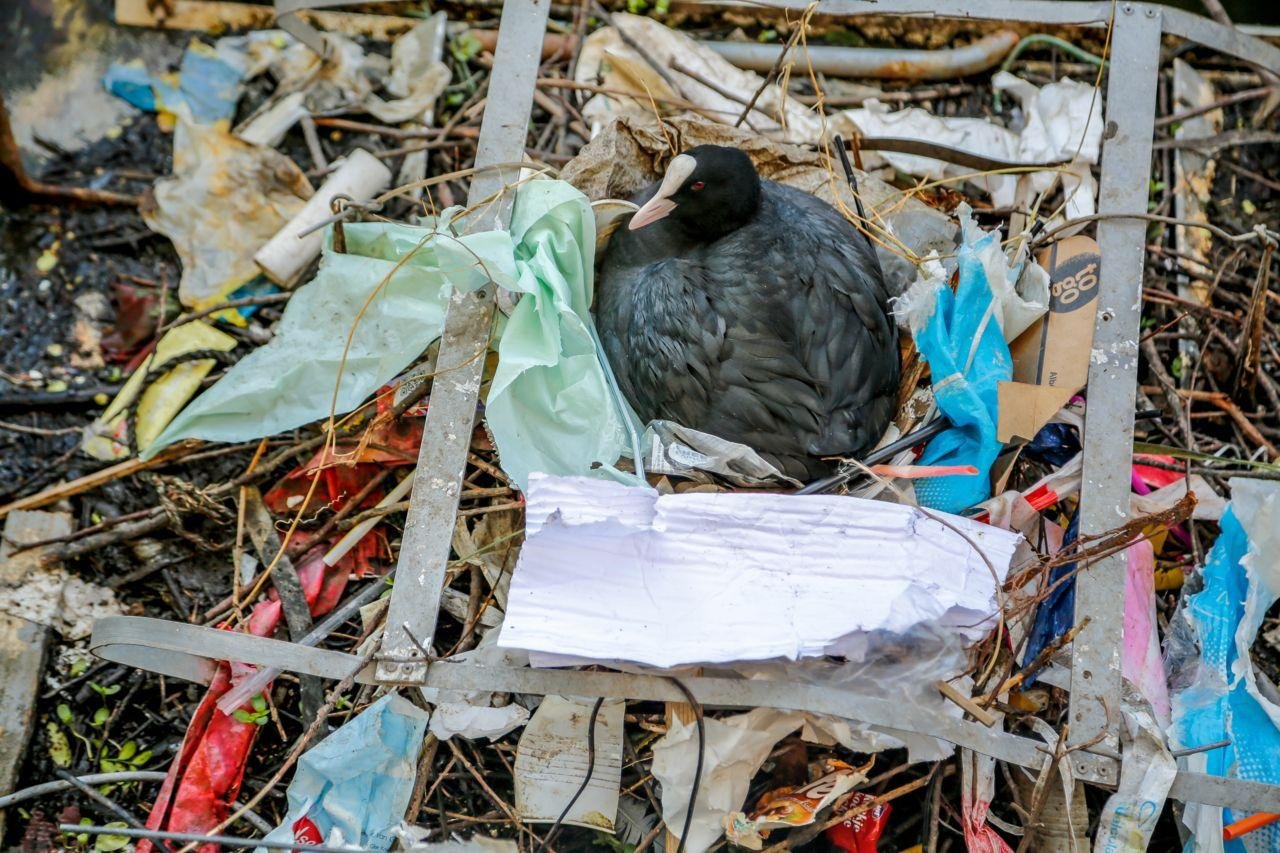
Birds are remarkably adaptable animals, but a new project in Australia is drawing attention to an unusual problem: birds are increasingly using human-made rubbish to build their nests.
Plastic strips, fishing line, cigarette butts, packaging and other discarded materials can now be found in bird nests in many parts of the world. A recent article published by The Conversation highlights a Melbourne project that is testing whether people can make natural nesting materials easier for birds to find.
The idea is simple. Instead of birds searching through streets, parks and rubbish for material to construct their nests, why not make safe, natural materials available to them?
Why Are Birds Using Plastic and Rubbish?
Birds normally collect materials such as grass, twigs, leaves, bark, moss and feathers. But urban development has changed the environments where many birds live.
In cities, natural materials can be harder to find. At the same time, plastic bags, string, packaging and other lightweight objects are often easily available.
The Natural History Museum explains that birds may use human-made materials because natural nesting resources are limited. Some materials can also strengthen nests, while colourful objects may sometimes have a role in display or mate attraction.
Research has shown how widespread the behaviour has become. A study of hundreds of Australian museum nest specimens found human-made materials in about 30% of modern nests, compared with around 4% in historical specimens from the early 19th century. Much of the increase involved plastic.
The Hidden Danger of Plastic Nests
At first glance, a plastic strand or piece of string may appear harmless. But for a small bird or chick, it can become dangerous.
Long pieces of fishing line, plastic twine and similar materials can wrap around legs, wings or necks. Birds may become trapped or injured while building or living in the nest.
There is also a risk that chicks could swallow small pieces of plastic. Researchers have warned that this can affect their health and, in severe cases, contribute to death.
A recent example from Australia illustrates the problem. According to The Conversation, researchers studying white stork nests in Portugal found human-made materials in many nests, and some nestlings became entangled, particularly in baling twine.
A New Idea in Melbourne
The latest effort to address the problem is called Peckable Architecture.
The project, created by designer and researcher Bethany Kiss, is part of the Melbourne Fringe Design X Nature exhibition. One hundred special bricks made from natural nesting materials have been installed at Federation Square and the Royal Botanic Gardens in Melbourne.
The bricks contain materials including bark, casuarina needles, small twigs, coconut fibre and moss. An organic gelatin binder holds the materials together while allowing the structures to break down over time.
The goal is not to force birds to use the materials. Instead, the project gives birds another option.
Motion-activated cameras are also being used at the locations to observe which birds visit the installations and which materials they take for their nests.
What Can People Do at Home?
Bird lovers do not necessarily need special equipment to help.
Experts recommend allowing some natural garden material to remain available. Fallen leaves, small twigs, dry grass, moss, bark and pine needles can provide useful nesting resources. Cornell University’s All About Birds also recommends avoiding plastic strips, tinsel, cellophane, aluminum foil and dryer lint.
Spider webs can also be valuable for some small birds because the silk can help hold nesting materials together. However, people should avoid putting out long, string-like materials that could easily become wrapped around birds.
Keeping gardens slightly more natural can help too. Instead of removing every fallen leaf or twig, leaving a small area undisturbed may give birds access to materials they would normally collect from the environment.
A Bigger Environmental Message
The issue is about more than bird nests. It shows how closely wildlife has become connected to human waste.
Birds are not deliberately choosing pollution because they prefer plastic. In many cases, they are simply using what is available around them.
That makes waste reduction particularly important. Picking up fishing line, plastic strips, hair ties and other small pieces of rubbish can reduce potential hazards for birds and other wildlife.
The Melbourne project is therefore testing an interesting question: if humans have changed the materials available to wildlife, can we also change what we offer them?
For birds preparing their nests, providing safe natural materials could be a small step toward making urban environments a little more wildlife-friendly.