
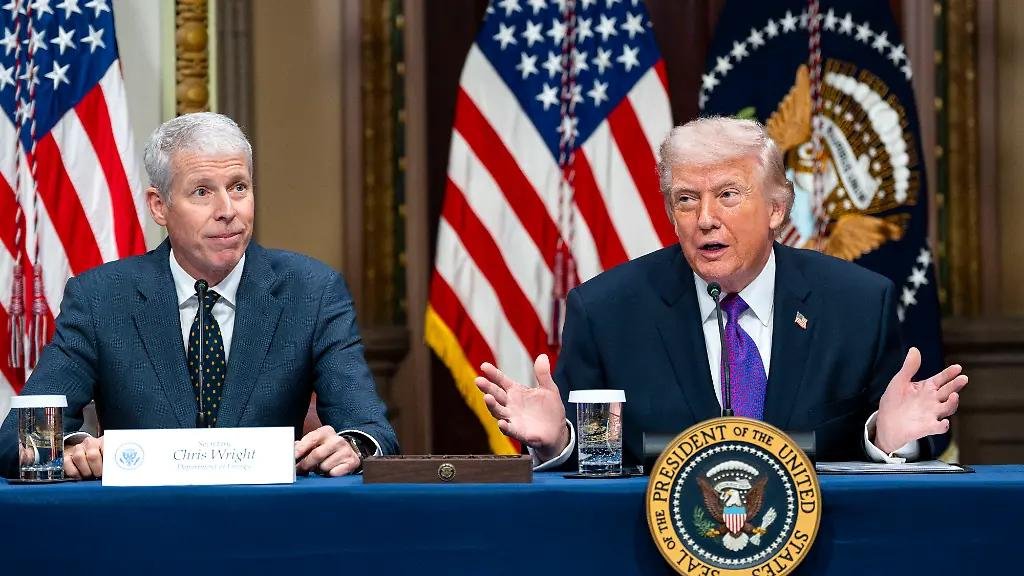
The United States is putting increasing pressure on European countries to release emergency diesel reserves as fuel prices remain elevated across global markets. The Trump administration has specifically urged France and Germany to make more diesel available, while Washington is considering restrictions on U.S. diesel exports if Europe does not take action.
The issue has quickly become an important part of the global energy debate, with governments trying to balance lower fuel prices against the need to maintain emergency supplies for the months ahead.
Why is the US asking Europe to release diesel reserves?
U.S. diesel prices have risen sharply in recent weeks as the global fuel market faces several supply disruptions. According to reports, U.S. diesel prices recently reached around $6.53 per gallon, putting additional pressure on American truckers, farmers and businesses that depend heavily on diesel fuel.
The Trump administration argues that releasing some European emergency stocks could put additional diesel onto the international market and help ease tight supplies.
U.S. Energy Secretary Chris Wright has publicly supported coordinated releases of diesel reserves, saying that Europe has supplies that could be brought into the market as the region approaches the winter heating season. Treasury Secretary Scott Bessent has also called on European allies to accelerate existing commitments and make additional supplies available.
France and Germany are at the center of the dispute
France and Germany are particularly important because together they hold a significant share of Europe’s strategic diesel reserves. Reuters reported that the U.S. has asked European countries to release 120 million barrels over six months.
For European governments, however, using emergency reserves is not a simple decision.
Strategic fuel stocks are intended to provide protection during major supply disruptions. If governments release large amounts now, they would eventually need to rebuild those reserves. That could become difficult if the wider energy crisis continues or becomes more severe during the winter.
European officials are therefore considering how much fuel could be released without weakening their own energy security.
Trump has also raised the possibility of a diesel export ban
The situation became more serious after President Donald Trump said the United States could ask European countries to release diesel reserves while his administration considers restricting U.S. diesel exports.
A complete export ban has not been implemented. The proposal remains under discussion, and European officials have warned that such a move could have significant economic consequences. EU trade chief Maros Sefcovic described a U.S. diesel export ban as unexpected and said it could have serious effects on Europe’s economy.
The United States is an important diesel supplier to international markets. European countries, in particular, rely on imported refined fuel, making any major change in U.S. exports potentially important for European fuel availability.
Europe faces its own diesel supply concerns
European countries are also dealing with higher diesel prices and tighter fuel markets. The situation has been complicated by disruptions linked to the conflict involving Iran, reduced refining capacity and problems affecting other major fuel suppliers.
The approaching winter adds another layer of concern because diesel and other middle-distillate fuels are important for transportation, agriculture and heating.
The European Union is now discussing whether countries should coordinate a new release of emergency stocks. EU Energy Commissioner Dan Jørgensen said member states are considering the possibility of releasing strategic reserves through coordinated action, while emphasizing that individual countries ultimately have to decide whether to release their own stocks.
UK also watching the situation closely
The United Kingdom is involved in discussions with European partners about possible emergency diesel stock releases. Britain has significant exposure to imported diesel and has been closely watching the potential impact of any U.S. restrictions.
A reduction in U.S. diesel exports could force European buyers to compete more aggressively for supplies from other regions. That could affect shipping costs, wholesale fuel prices and eventually prices paid by consumers.
What could happen next?
European governments are expected to continue discussions with the European Commission and the International Energy Agency before deciding how to respond.
There are several possibilities. European countries could release some emergency diesel stocks, continue holding their reserves, or coordinate a broader international release through the IEA. At the same time, Washington could decide whether to impose export restrictions or pursue other measures to increase domestic fuel availability.
For consumers, truck operators and businesses, the main issue is whether additional diesel supplies can reach the market quickly enough to ease prices.
For now, there is no U.S. diesel export ban in place, but the threat of restrictions has increased uncertainty across the global fuel market. The coming weeks will show whether Washington and European governments can reach a coordinated approach without weakening their respective emergency energy reserves.