
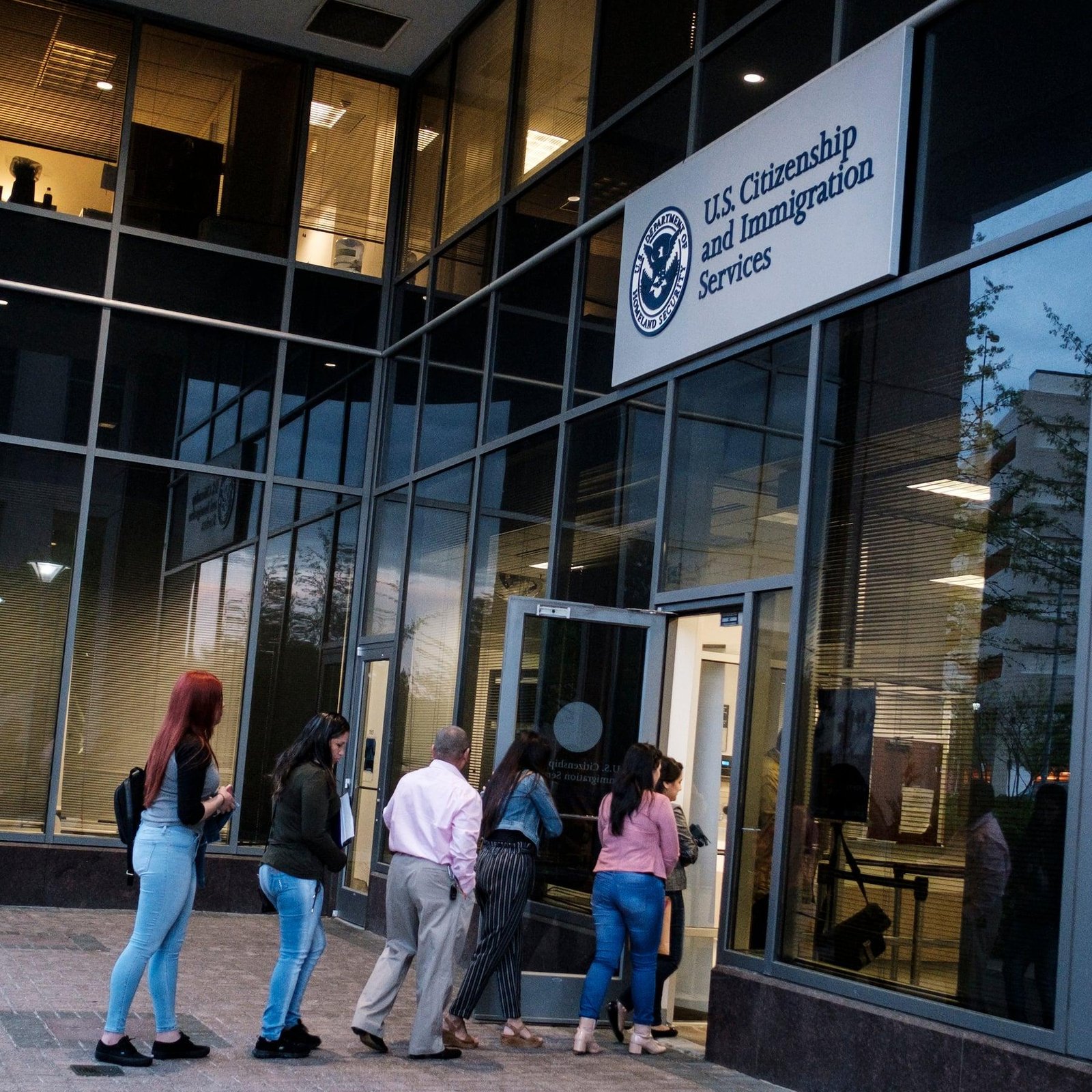
The United States is set to introduce higher fees for several immigration-related applications beginning October 16, 2026. The U.S. Citizenship and Immigration Services (USCIS) says the changes are part of an annual inflation adjustment required under H.R. 1, with the new amounts applying to certain asylum, employment authorization, Temporary Protected Status (TPS) and immigration parole-related requests.
The changes are important for people preparing immigration applications because USCIS says requests postmarked on or after October 16 must include the updated fee. Applications submitted with the wrong fee can be rejected.
What is changing on October 16?
The latest USCIS notice covers a specific group of immigration fees rather than every USCIS application.
Among the most notable changes are:
| Immigration application | Current fee | New fee from Oct. 16 |
|---|---|---|
| Annual Pending Asylum Application Fee | $102 | $105 |
| Initial asylum applicant EAD – Form I-765 | $560 | $570 |
| Initial parole EAD – Form I-765 | $560 | $570 |
| Initial TPS EAD – Form I-765 | $560 | $570 |
| TPS application – Form I-821 | $510 | $520 |
| Immigration Parole Fee – Form I-131 | $1,020 | $1,050 |
| Initial asylum application – Form I-589 | $100 | $100 |
USCIS also lists several fees that will remain unchanged, including the $275 renewal or extension fee for an asylum applicant EAD and the $280 renewal or extension fee for certain parole and TPS EADs.
Why are US immigration fees increasing?
The fee adjustment is linked to an inflation mechanism established by H.R. 1. USCIS calculated the FY 2027 adjustment using the change in the Consumer Price Index for All Urban Consumers between July 2025 and July 2026.
The Federal Register notice says the CPI-U increased by approximately 3.36% over that period. Under the law, most of the affected fees are rounded down to the next $10 increment, while the annual asylum fee is rounded down to the nearest dollar.
The annual adjustment means applicants could see additional changes in future fiscal years as well.
Who could be affected?
The October 16 fee changes are particularly relevant to people involved in US asylum applications, work permits, TPS applications and immigration parole.
For example, an asylum applicant applying for an initial Employment Authorization Document will face a $10 increase, from $560 to $570. Someone filing a TPS application will see the fee increase from $510 to $520.
The Annual Pending Asylum Application Fee will rise from $102 to $105. This fee applies to eligible pending asylum cases and is separate from the initial asylum filing fee.
Applicants should therefore check the exact fee associated with their form and immigration category before submitting paperwork.
What happens if the wrong fee is sent?
This is one of the most important points for applicants.
USCIS has stated that immigration benefit requests postmarked on or after October 16, 2026, without the correct FY 2027 fee will be rejected. That means applicants should not simply rely on an older fee amount printed on a previously saved form, checklist or website page.
People preparing an application should verify the current fee shortly before mailing or submitting their request.
What should applicants do now?
People planning to submit an affected application should review their paperwork carefully before October 16. If a filing will be submitted on or after that date, the applicant should use the applicable FY 2027 fee.
Applicants should also make sure they are using the correct version of the immigration form and follow USCIS payment instructions. The U.S. Department of State separately handles many visa applications processed through U.S. embassies and consulates, so applicants should not assume that this USCIS announcement changes every U.S. visa fee.
For Indian applicants and others applying from outside the United States, it is particularly important to distinguish between USCIS filing fees and Department of State visa-processing fees. The two agencies handle different parts of the immigration process.
The bottom line
The new US immigration fees for 2026 take effect on October 16, with increases affecting selected asylum, EAD, TPS and parole-related applications. Some increases are relatively small, while the immigration parole fee will rise by $30 to $1,050.
The key point for applicants is timing: filings postmarked from October 16 onward must contain the correct new fee. Checking the latest USCIS fee information before submitting an application can help avoid a rejection caused by an incorrect payment.